Where Culture, Tourism And People Converge
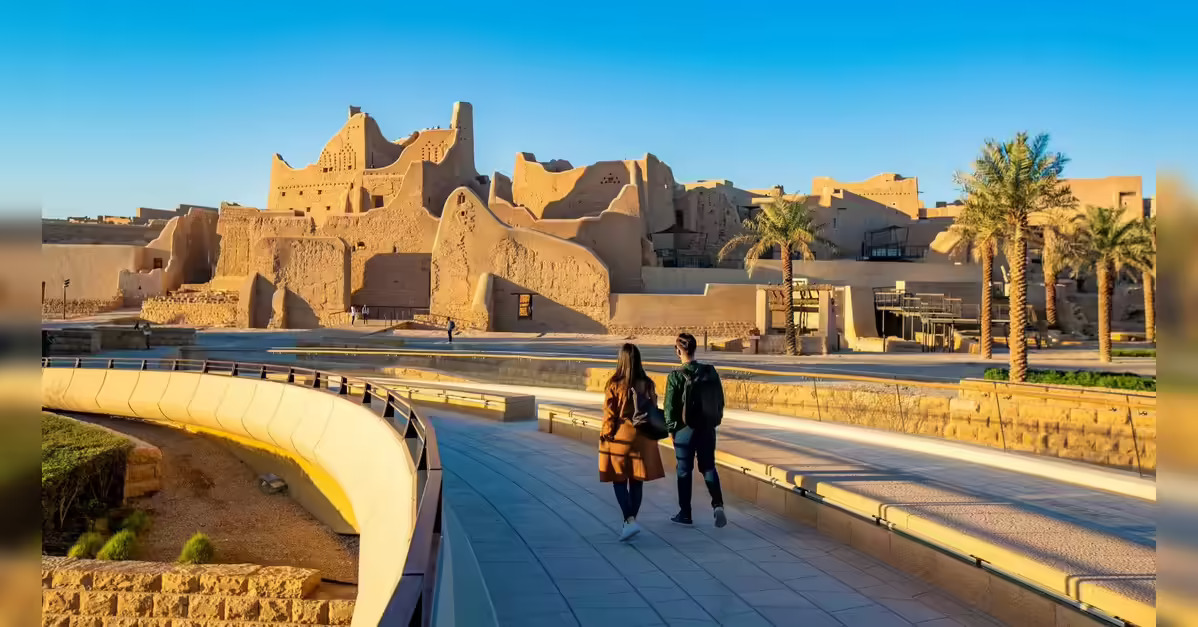
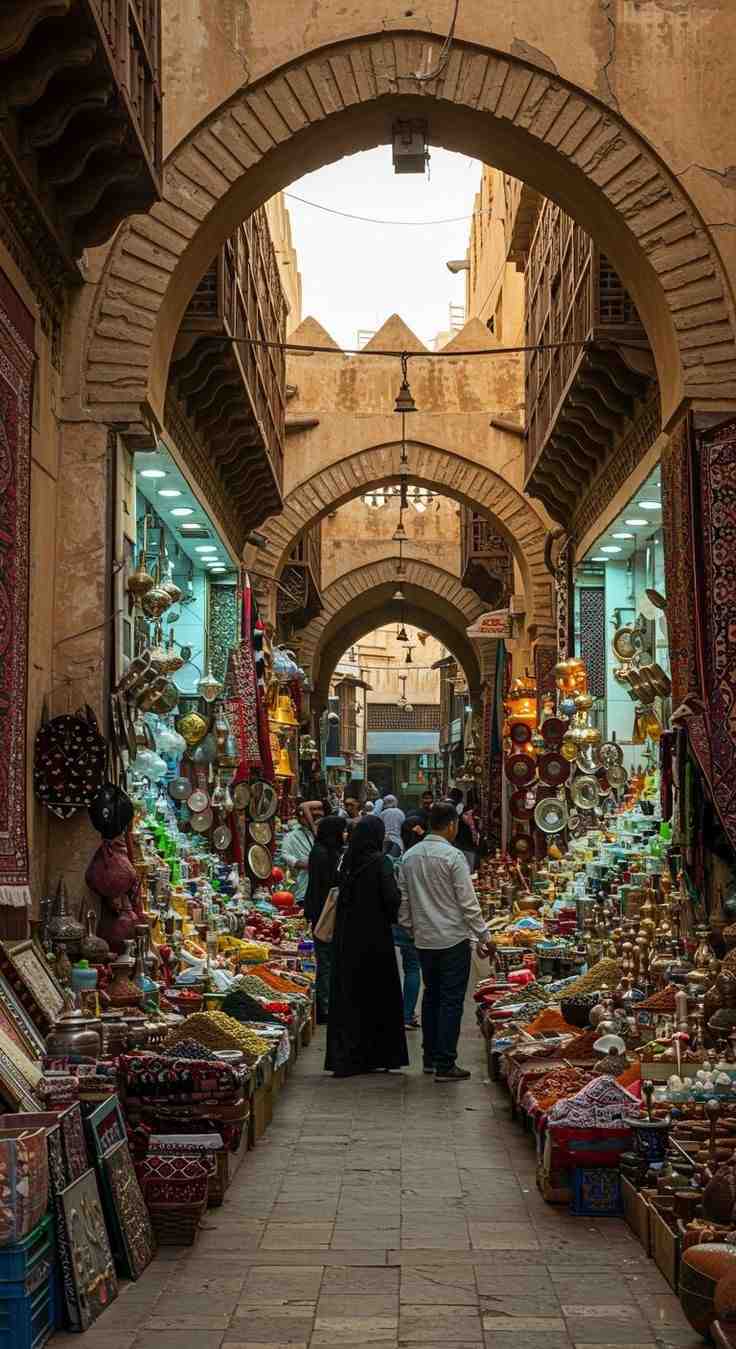
Visitor activity increasingly contributes to the social and economic development of destinations throughout Saudi Arabia. Cultural programmes, tourism initiatives, hospitality services, public events, and destination experiences play an important role in attracting visitors, supporting local participation, and encouraging economic activity. As the Kingdom expands its presence as a global destination, organisations are required to balance visitor expectations, operational coordination, service quality, event administration, and community engagement within a dynamic and growing sector.
Meaningful visitor experiences are often shaped by the effectiveness of the systems operating behind them. Within this environment, destination success relies on coordinated execution, public participation, and the ability to connect cultural, tourism, and hospitality activities within a unified visitor ecosystem.
Visitor Experience Priorities
Growing visitor destinations require coordinated planning capable of connecting cultural activities, tourism services, event administration, hospitality operations, and public participation within a seamless visitor experience.
Key Considerations
Every visitor journey is influenced by numerous interconnected touchpoints. Hospitality services, destination management, cultural programming, transportation coordination, event administration, and public engagement collectively contribute to overall visitor satisfaction. As destination activity increases, maintaining consistency across these functions becomes essential to delivering positive experiences while supporting efficient operations.
Tourism and cultural activity contribute far more than visitor numbers alone. Public events encourage community participation, cultural initiatives strengthen destination identity, and visitor spending supports businesses operating throughout the wider economy. Organisations that establish strong service foundations are often better positioned to support long-term destination development while maintaining quality, accessibility, and public value.
Destination Growth Drivers
Long-term urban progress depends on the ability to connect investors, developers, operators, service providers, and public stakeholders within a coordinated framework that supports future expansion.
Strategic Priorities
Strong visitor economies are supported by collaboration between multiple stakeholders operating within the same destination ecosystem. Cultural institutions, tourism operators, hospitality providers, event organisers, and public sector entities each contribute to the overall attractiveness of a destination. Strengthening cooperation between these functions helps improve visitor experiences, encourage repeat visitation, and support long-term economic participation.