Shaping The Next Chapter Of Urban Growth
Urban expansion continues to play a central role in Saudi Arabia’s economic development agenda, creating opportunities linked to real estate, infrastructure delivery, facilities administration, mixed-use developments, and investment participation. As cities evolve to accommodate population growth, business activity, and new development priorities, organisations are increasingly required to coordinate property assets, project delivery, operational services, stakeholder interests, and long-term planning objectives.
The effectiveness of urban development is often determined not only by construction activity but also by the systems that support continuity, functionality, and future growth. Within this environment, successful city development depends on disciplined administration, coordinated execution, and the ability to connect infrastructure, property management, and investment objectives in support of the Kingdom’s long-term ambitions.
Urban Development Considerations
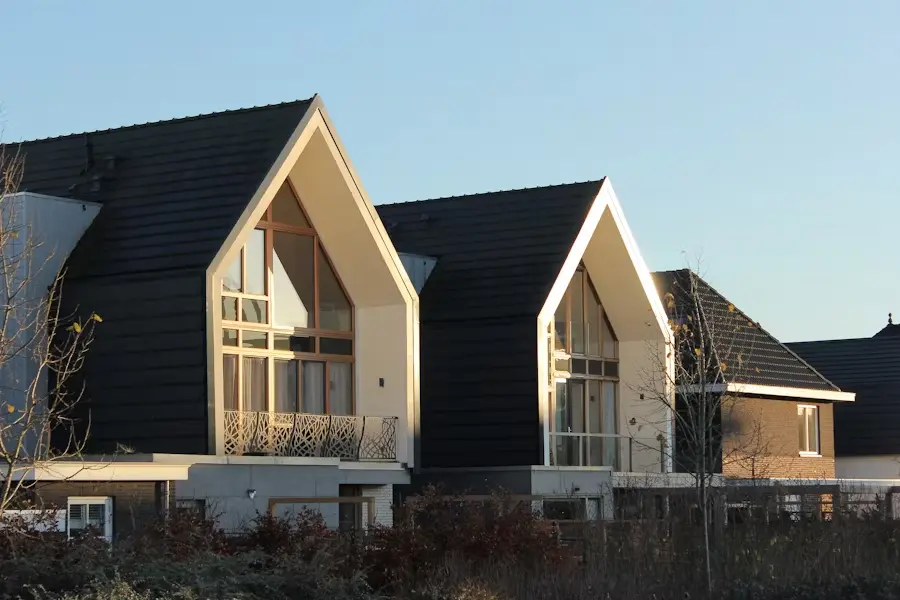
Expanding cities require coordinated planning capable of connecting development priorities, infrastructure requirements, property administration, and long-term operational objectives across multiple stakeholders.
Key Considerations
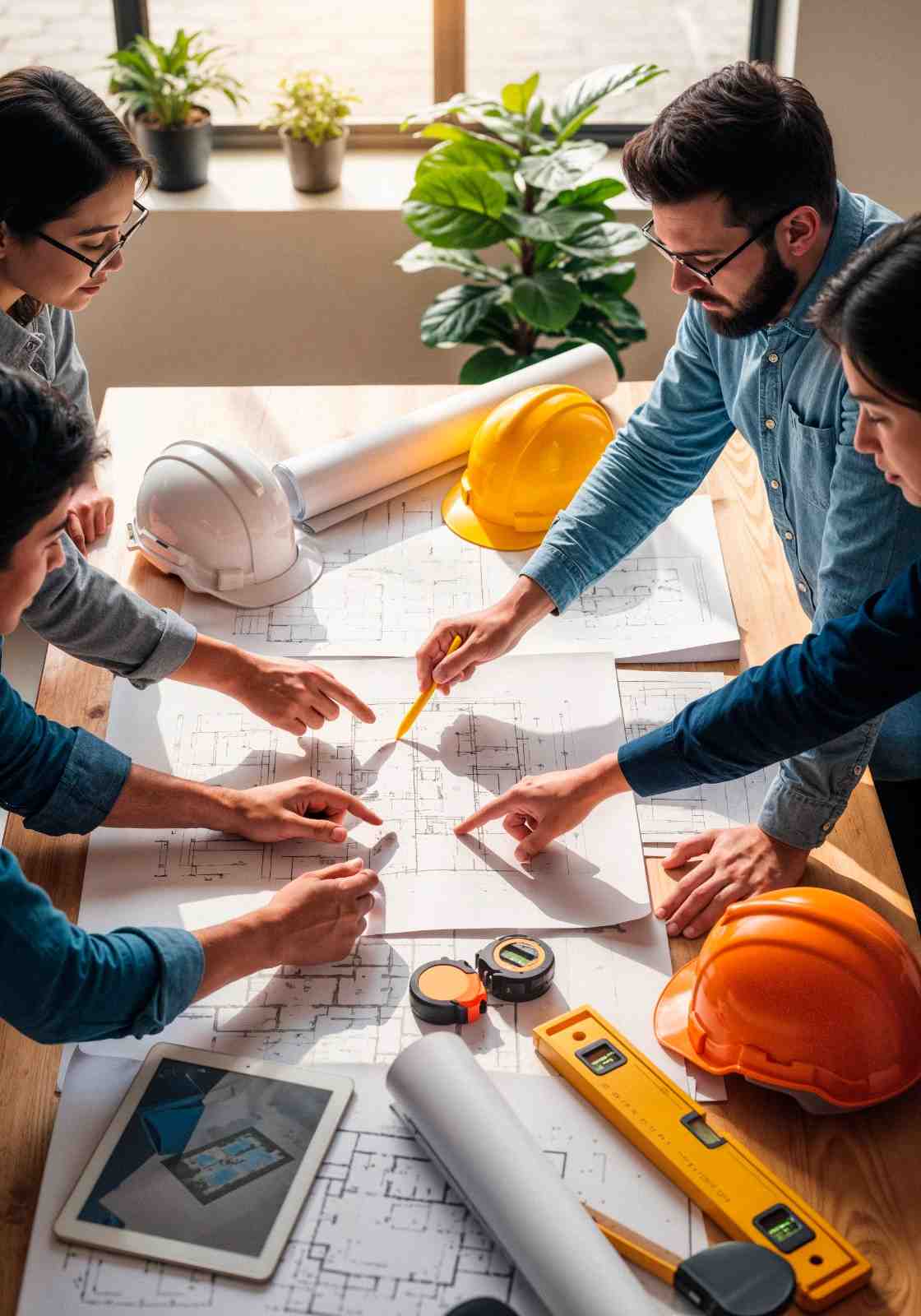
Urban development involves the coordination of numerous interconnected activities. Infrastructure delivery, project administration, facilities operations, property management, and stakeholder engagement each contribute to the effectiveness of development outcomes. As projects increase in scale and complexity, organisations often require stronger operational coordination capable of supporting continuity, accountability, and efficient execution across multiple development phases.
The significance of urban growth extends beyond individual projects. Well-managed developments contribute to economic activity, support business participation, strengthen investment confidence, and improve the quality of services available to residents and businesses. Establishing strong operational foundations enables organisations to support long-term expansion while contributing to broader city development objectives.
City Growth & Investment Participation
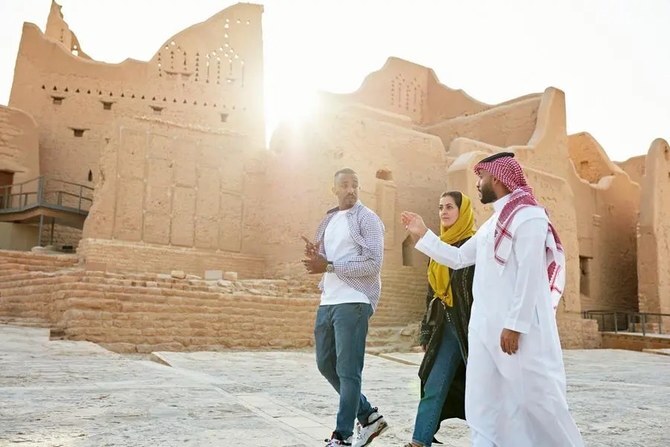
Long-term urban progress depends on the ability to connect investors, developers, operators, service providers, and public stakeholders within a coordinated framework that supports future expansion.
Strategic Priorities
Successful urban growth relies on more than construction activity alone. Asset management, facilities administration, infrastructure performance, investment participation, and stakeholder coordination collectively influence the long-term effectiveness of development projects. Strengthening these interconnected functions helps create environments capable of supporting future growth, operational efficiency, and lasting economic contribution.
Cities are shaped by more than physical development alone. Infrastructure performance, property management, investment participation, and operational coordination collectively influence how urban areas function, expand, and serve future generations. As Saudi Arabia continues to advance its development ambitions, well-managed urban environments will play an important role in supporting economic activity, attracting investment, and improving quality of life. Creating strong foundations today helps position cities to support long-term growth objectives aligned with Vision 2030.